POLITICS
Speculation of North Korea’s Next Successor
Written by: Scarlett Kennedy, Ryan Shin
Researched by: Mandy Guan, Madison Hernandez
Edited by: Lauren Jim
PYONGYANG, North Korea — North Korea, also known as the “hermit kingdom,” has made news headlines the past few weeks because of a search for a possible new successor of Kim Jong Un. Due to the country’s level of suppression, all information on the successor theory is speculation. However, important information from South Korea’s National Intelligence Service (NIS) has fueled this theory and exposed a lot of what is going on behind North Korea’s closed doors.
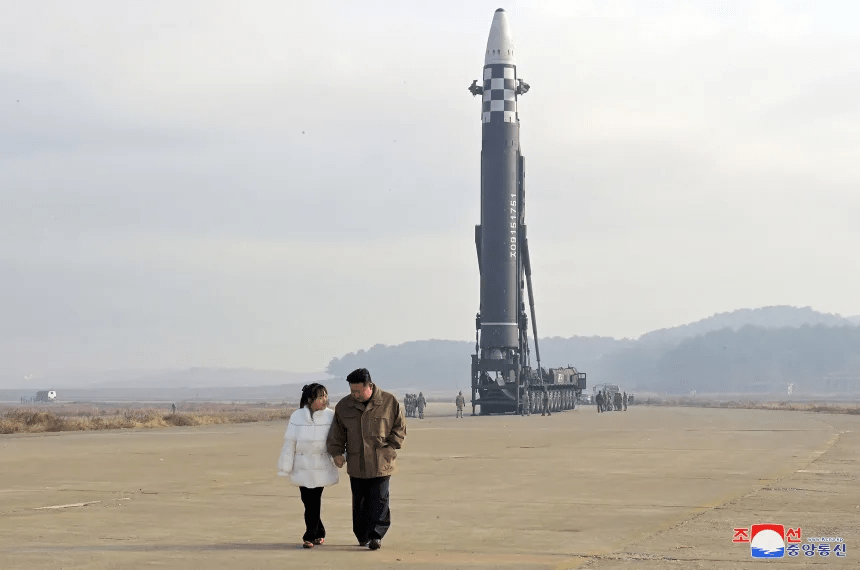
Kim Jong Un’s daughter, Kim Ju Ae, made her first public appearance on November 18, 2022 where she oversaw the launching of an intercontinental ballistic missile. Since then, Kim Ju Ae has been pictured at multiple military events and has reportedly voiced her opinion on policies. Additionally, the NIS confirmed after a “closed-door briefing” that Kim Ju Ae has received succession training, making her the most likely candidate, as of right now, to be North Korea’s next successor.
Believed to be 13, Kim Ju Ae would be the country’s first female leader if this succession theory pans out. Due to North Korea’s heavy media censorship, any publications that are issued from the country carry “great symbolic weight,” leading many to make assumptions regarding the lineage. Kim Ju Ae has already been seen defying the state’s rigid cultural rules as if she is a unique exception to them. For example, she has been pictured keeping her hair down and wearing designer clothes. Moreover, state media has addressed her as the “beloved daughter” numerous times, a title that reinforces her status as a prominent figure within the regime.
However, observers advise caution before taking these appearances at face value, as the information often borders on sensationalism. Historically, North Korean leaders have only designated a successor when facing their own imminent demise; Kim Jong Il was not publicly revealed as the heir until a year before his father’s death, and Kim Jong Un’s own transition was fast-tracked only after his father suffered a stroke. Given that Kim Jong Un is currently in his early 40s and appears healthy enough to continue his rule, such an early naming of a successor would be a radical departure from tradition. Furthermore, the North Korean political system remains deeply rooted in patriarchal Neo-Confucian ideals, which may create significant internal resistance to the idea of a female dictator.
Some believe that this is just a PR stunt by Kim Jong Un, who has previously demonstrated his ruthlessness through actions such as the assassination of his half-brother, Kim Jong Nam, years after taking power. It is speculated that by having his daughter at his side, Kim Jong Un could be trying to soften the cold dictator image he is associated with to international audiences while bolstering his warmhearted appearance to North Korean citizens.
Others are curious as to why North Korea is placing such heavy emphasis on this potential succession, especially since Kim Jong Un appears young enough to continue his rule. However, persistent speculation suggests he may be in poor condition following various health scares over the past few years. Whether it is due to complications from obesity or rumored surgeries, there is a distinct possibility that Kim Jong Un’s health is declining.
The upcoming Workers’ Party congress, scheduled for later this month, is poised to be a definitive turning point in validating these succession theories. While the event is officially intended for Kim Jong Un to announce his policy goals for the next five years, the world will be searching for signals that confirm whether Kim Ju Ae’s recent “succession training” is a permanent shift in the regime’s trajectory.
Ultimately, whether the theory of Kim Jong Un’s daughter succeeding him is accurate or not is still unclear. However, one thing remains certain: Kim Ju Ae is intentionally the center of the North Korean government’s narrative; a narrative that may or may not change the course of North Korean history and the broader global geopolitical context.
FEATURES
Lunar New Year Around the World
Written by: Carmen Tan
Researched by: Jacky Jiang
Edited by: Annie Ngo
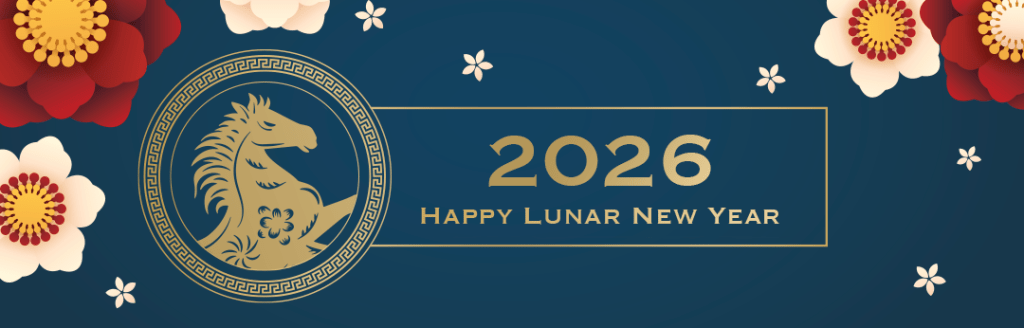
Although we might associate it with Chinese traditions due to recent social media trends in America, Lunar New Year is a holiday celebrated around the world for cultures that follow the lunar calendar. Due to it revolving around the moon, the Lunar New Year falls within a range of dates rather than one set day. It is generally celebrated in East Asian and Southeast Asian countries with varying traditions.
In different cultures, the Lunar New Year is referred to with different names. In Vietnam, the holiday is called Tết Nguyên Đán and in South Korea, it’s called Seollal. In Tibet, Bhutan, some of Nepal and northern India, they call it Losar, whereas in Mongolia they call it Tsagaan Sar. China, Hong Kong, Taiwan, Singapore and Malaysia call it the Spring Festival in their respective languages.
There are a multitude of traditions that symbolize how each culture sees the new year, along with what they believe it brings. For Losar celebrations, there is a focus on preparing for the new year with rituals and prayers to the deities, a large role in Tibetan culture. A passed on tradition in Tibet is making sure all dishware is placed facing downwards so evil spirits would be unable to hide as the deities ward them off. Similarly, those celebrating the Spring Festival also hope to ward off spirits, but through loud noises and fireworks. For Seollal and Tsagaan Sar, there is an emphasis on waking up early to view the first sunrise of the new year. In Tsagann Sar, traditionally, one would “make milk tea and offer the first cup to the earth and sky” during sunrise, with milk being a pure food to offer to the deities around. There are also some similarities between cultures based on meanings and cross-cultural influences either through positive or negative history. For example, during Tết and the Spring Festival, new clothing is worn on the first day of the new year, and similarly to Seollal, those celebrating Tết may also wear traditional clothing.
Although traditions vary from culture to culture, a similar sentiment remains. Within each culture, those celebrating the Lunar New Year tend to turn inwards to families, ancestors and gods for new beginnings and new fortunes in the coming year and finding time to renew and celebrate with loved ones.
ENTERTAINMENT
Asian American Representation in the 2026 Winter Olympics
Written and Researched by: Gabriel Marasigan
Researched by: Gabriel Marasigan
Edited by: Rui Zheng
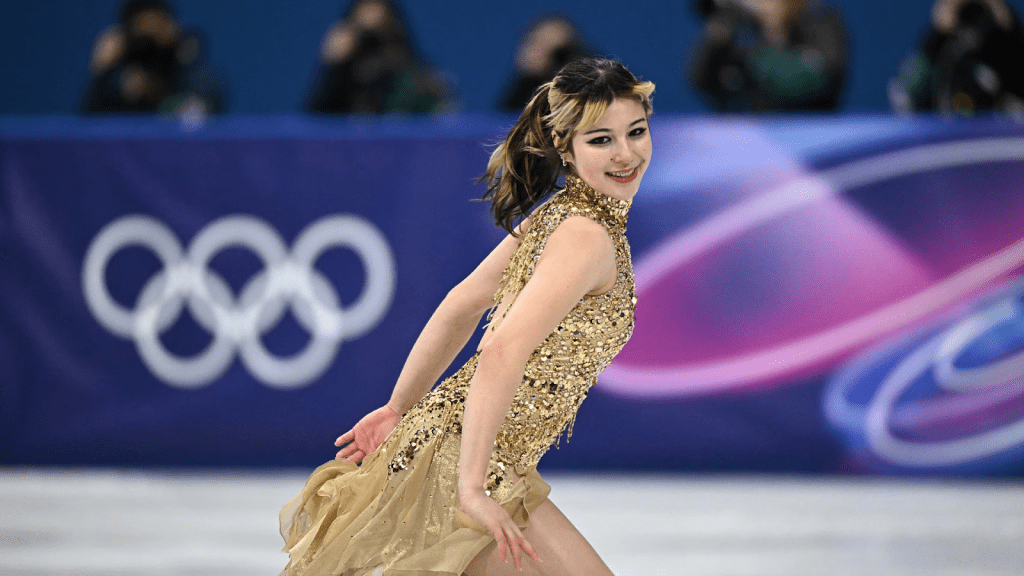
From the ice rinks to the snowy slopes to the halfpipes, the Asian American athletes who competed in the Milan Cortina Winter Olympics showcased their hard work and talent. Just like every Olympics, the podium was merely the result. The strong dedication and background behind each athlete on display, as well as the countries they represented, were just as important as the medals around their necks.
One of the most significant figures was the Chinese American skater Alysa Liu from the Bay Area. A gold-medalist for Team USA, Liu recently made waves throughout the media for her carefree joy and stunning grace while performing. Returning to the sport after announcing retirement in 2022, Alysa Liu was the youngest Asian American athlete competing on the team at just 20 years old. Her unwavering joy and refusal to give up resonated with many people, further skyrocketing her popularity.
The snowboarder Chloe Kim returned to competing after a shoulder injury and a multiyear hiatus as though she had never left. Following an injury and feelings of burnout, Kim went on a long break from competing following the 2022 season. Returning to the Olympic stage, Kim brought Team USA a silver medal in women’s halfpipe after just narrowly missing gold. Kim’s performance demonstrated longevity and resilience while also battling burnout under intense pressure.
Across all the events, Asian Americans as a whole found plenty of representation. In figure skating, the Chinese American pair skater Ellie Kam made her Olympic debut as a part of Team USA and secured a gold medal with her years of experience. Also representing Team USA was the half-Japanese figure skater Spencer Akira Howe, as well as his partner Emily Chan, a Chinese-Taiwanese American skater. The two have been partnered together for four years and have brought years of international skating experience to Team USA. The Filipino American skier Tallula Proulx became the first and youngest Filipino to qualify and compete in the Olympics, competing for Team Philippines. Born in California, Proulx first skied for the Philippines at the 2025 Asian Winter Games, finishing 16th.
Hello Kitty Designer, Yuko Yamaguchi, Steps Down after 46 years
Written by: Andrea Hsu
Researched by: Andy Huang
Edited by: Ellie Kim
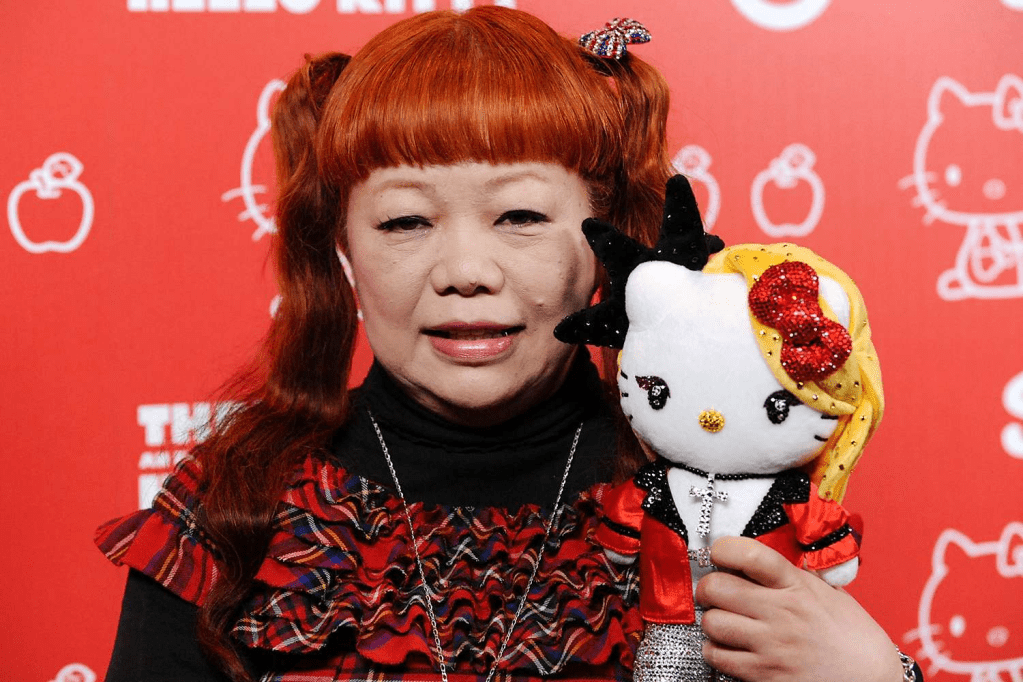
The head designer of Sanrio, the company that created the iconic kitty that we all know and love, has officially stepped down after 46 years.
Yuko Yamaguchi, 70, joined the previously small company Sanrio just 5 years after the creation of Hello Kitty. She won a contest within the workplace for her design of playing the piano, which ultimately led to her rise in the ranks, becoming the third head character designer. Yamaguchi is known as the designer of the people, taking requests, suggestions, and criticism from fans. Previously, she has spoken about the time when Hello Kitty’s memorable bow was replaced by a strawberry, a decision that was later revised back to the original accessory. In 1980, after both previous Hello Kitty designers, Yuko Shimizu and Setsuko Yonekubo, the original creator and assistant of Shimizu, Yamaguchi, was officially announced to take over. With the evolution of the kitty, her stardom was taken to another level. From airplanes to rice crackers, her adorable face is still seen everywhere. Besides Hello Kitty, Yamaguchi is also responsible for the creation of Go-Chan, TV Asahi’s official mascot. She also created Jewelpet, a collaboration between SEGA and Sanrio. Despite the famous name, Hello Kitty is actually not a kitty: she is a little girl from London living with her twin sister, Minnie, and their parents. The main criticism of the famous kitty was the lack of creativity, which was quickly changed after her involvement.
The new era of Hello Kitty will be led by designer Aya, who will be taking the title of “Head Designer” later this year. Although Yamaguchi is no longer designing, she will still be part of Sanrio, taking a new role as an advisor. We are sad to see this inspiring figure within Sanrio step down, but her impact will forever change the trajectory of cartoon history.
 Asian Outlook | Art and Literary Magazine