POLITICS
Rippling Effects of the Iran War
Written by: Stephanie Zhou
Researched by: Andy Huang, Lydia Luo, Stephanie Zhou
Edited by: Ellie Kim
Content Warning: Mentions of Death
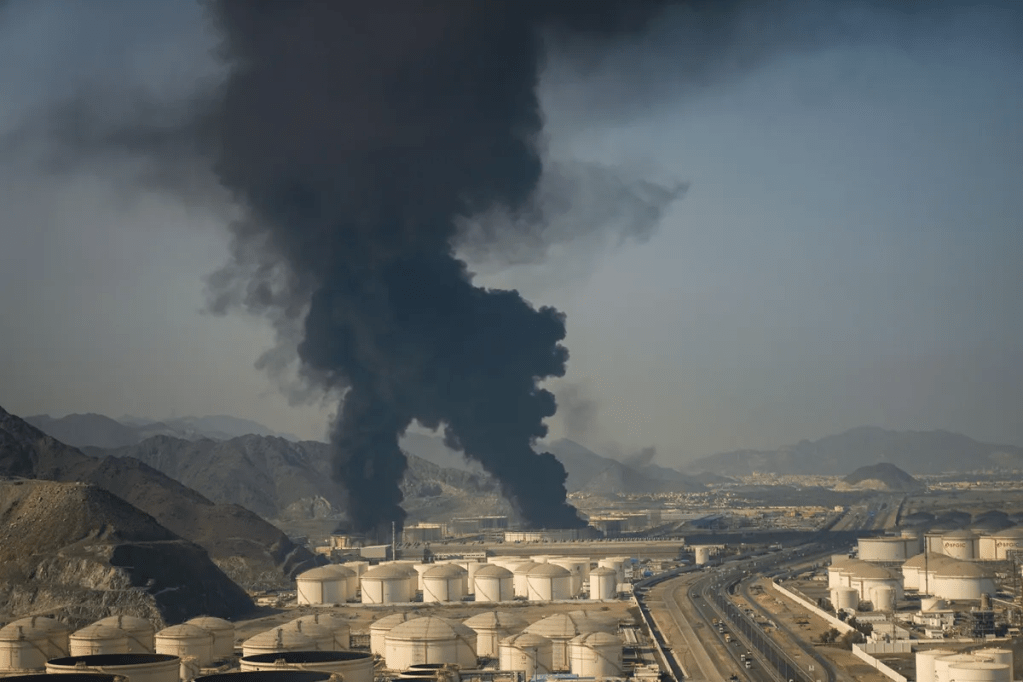
DUBAI, United Arab Emirates — On Feb. 28, 2026, Ayatollah Ali Khamenei, the Iranian supreme leader, was killed in a major, joint military offensive launched by Israel and the United States. In response, Iran launched its own counterassault, striking several facilities in the region, including the United Arab Emirates, the command of the U.S. 5th Fleet in Bahrain, U.S. bases in Qatar and military targets in Israel.
As tensions escalated, Iran announced the closure of the Strait of Hormuz on Mar. 2, 2026, voicing their intent to fire on any ship trying to pass through. The Strait of Hormuz is recognized as one of the world’s most important oil choke points — accounting for roughly 20% of the global petroleum liquids consumption — and its closure has triggered the largest oil disruption in history, according to an analysis by the consulting firm Rapidan Energy.
With the Iran war in its fifth week, oil prices have soared more than 40% since the start of the war, triggering price spikes for both gas and jet fuel. Gasoline has reached a U.S. nationwide average of $3.98 a gallon as of Friday, up about 35% from a month ago, according to the AAA. This increase in the price of gasoline, accompanied by the high cost of living and a softening labor market, has worsened concerns regarding affordability. According to certified financial planner Stephen Kates, “An immediate spike in gasoline prices strains household budgets and also raises the cost of shipping, airline tickets, and products that rely on oil-based inputs.”
Though there have been talks of negotiations to end the war, Iran’s Foreign Ministry has claimed that there is no ongoing dialogue between Tehran and Washington. Furthermore, Iran is eyeing to close the Bab el-Mandeb Strait if the U.S. continues to target Iranian energy infrastructure. The Bab el-Mandeb Strait was estimated to account for 12% of seaborne oil trade and 8% of liquefied natural gas trade in the first half of 2023, and its closure could push oil prices to $150 a barrel. Even if the war were to end soon, Mark Zandi, the chief economist for Moody’s Analytics, says that it will still take about six to eight weeks for oil production and shipments to normalize, and the price of oil may settle around $80 per barrel of Brent crude, which is higher than before the war began.
China’s “Ethnic Unity” Law Draws Concern for Ethnic Minorities
Written by: Lia Tsin
Researched by: Lia Tsin
Edited by: Ava Gabriel, Lauren Jim
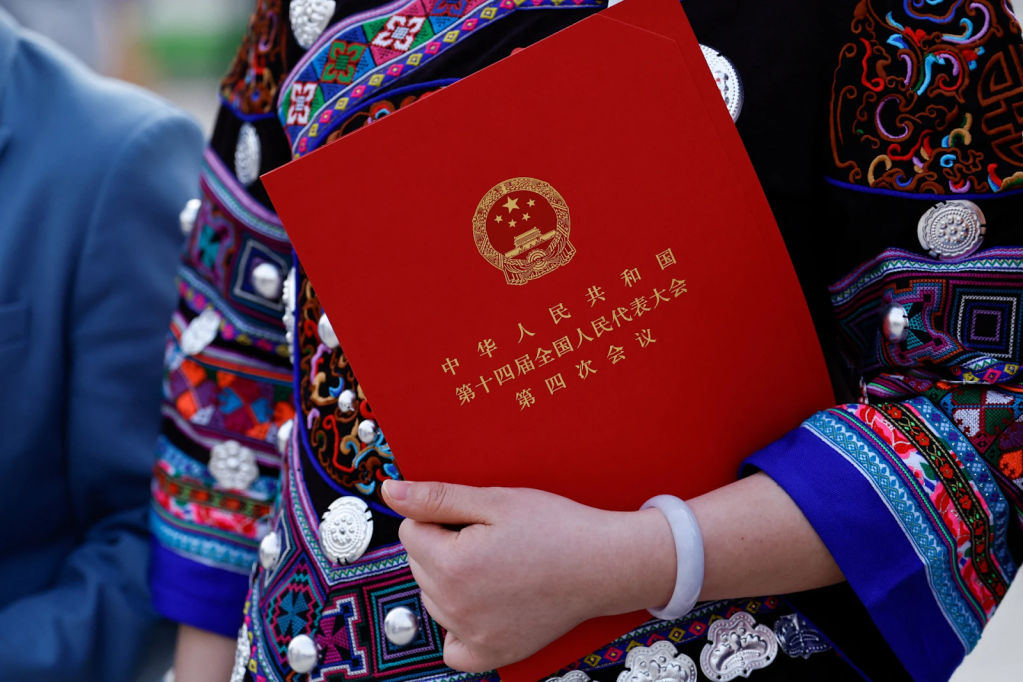
BEIJING — With 2,756 votes in favor, three abstentions and three against, the National People’s Congress (NPC) has passed an “ethnic unity” law set to commence on July 1, 2026. In an attempt to reduce ethnic differences and promote stronger spirits of Han nationalism, this law requires Mandarin to be the primary language used in schools and official communication. Citizens are encouraged to align themselves with the “correct views” of history, and children will be taught to love the Chinese Communist Party (CCP). It is illegal to oppose marriage on ethnic or religious grounds, and minorities are called upon to live in mixed communities with a considerable Han population.
This is just another ripple in the water of President Xi Jinping’s rule. Since the beginning of his presidency over a decade ago, Xi Jinping has been rolling out what scholars call “second-generation ethnic policies,” which prioritize a common Chinese identity over ethnic diversity. In 2020, the use of Mongolian was banned in primary and middle school curricula, sparking protests across Inner Mongolia. Xinjiang, a region in northwestern China dominated by Muslim Uyghurs, has a history of repression involving mass imprisonment, forced sterilization and “reeducation efforts.” Now, a law intended to promote integration through factors such as education, community life and culture is being used to justify the forced relocation of their peoples by Beijing.
Currently, there are 56 officially recognized ethnic groups in China, and the Han Chinese make up over 91% of the nation’s population. Ethnic minority groups — including Tibetans, Mongols, Hui, Manchus, Uyghurs, and many more — make up about 14% of the National People’s Congress (NPC). The Unrepresented Nations and Peoples Organization (UNPO), a group that aims to support underrepresented peoples in preservation of culture and human rights, worries that this push for “ethnic unity” will continue to develop at the expense of cultural identity. Dr. James Leibold, a professor at La Trobe University in Melbourne, makes it clear that “In Xi’s China, there is very little room left for diversity of culture, language, identity, or even thought.” Xi Jinping is now serving an unprecedented third term as president since Chairman Mao Zedong, only made possible after he changed the two-term restriction in 2018. As long as he remains in power, transnational repression will continue to cultivate.
FEATURES
Punch Goes Viral at Japan Zoo
Written by: Donovan Lai
Researched by: Carmen Tan, Donovan Lai
Edited by: Annie Ngo
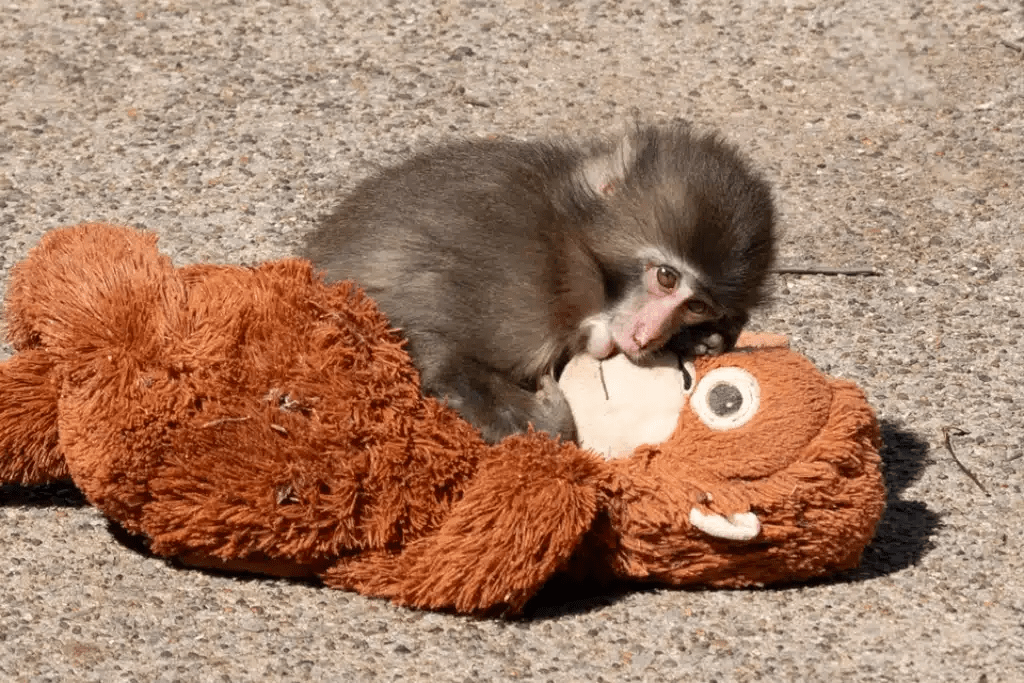
ICHIKAWA, Japan — Punch, a baby macaque from the Ichikawa City Zoo in Japan, went viral this February after videos captured the monkey getting rejected by older monkeys, finding solace with an IKEA stuffed orangutan. Having been abandoned by his mother soon after birth, zookeepers provided the Djungelskog toy, serving as a sense of security for the monkey.
Throughout the month of February, Punch tried time and time again to be accepted by the other monkeys, but was always pushed away, or was shown hostility. As a result, Punch became increasingly clingy to the zookeepers who provided food. In another heartbreaking video, viewers watched Punch latch onto a zookeeper as the zookeeper attempted to replace Punch’s old stuffed toy with an identical one in better condition. Punch didn’t care about the new toy, and reached desperately for the old one, as the old one carried all of the familiar and secure emotions he felt. The soft plush draws parallels to Harry Harlow’s “contact comfort” study from the 1950s, a psychological study that found that even though a cloth mother given to baby rhesus monkeys provided no nutritional or survival benefits, the monkeys spent the majority of their time with the cloth mother instead of the wire mother that contained food.
Seeing how Punch clung to the orangutan plush not only garnered mass sympathy for Punch, but also caused the plush to skyrocket in sales. The world rushed to show support for Punch as #HangInTherePunch posts flood social media pages. Visitor counts at the zoo doubled from the previous year, some of which included IKEA representatives donating orangutan plushies. Earlier this March, BLACKPINK’s Lisa visited Punch, bringing her own orangutan plush and a giant smile on her face.
Since the beginning of March, life has been looking up for Punch. His efforts have not been in vain, and he’s begun making more friends within the monkey community. He’s even been speculated to have a “girlfriend” named “Moe” (Momo-chan) due to them being somewhat similar in size. However, she is significantly older than Punch who is less than a year old.
OPINION
*The views expressed in opinion pieces are those of the author and do not necessarily reflect the views of Asian Outlook or its E-Board.
Social Media is Colonizing Our Culture
Guest Essay by: Lindsay Chen
Edited by: Kate Sum
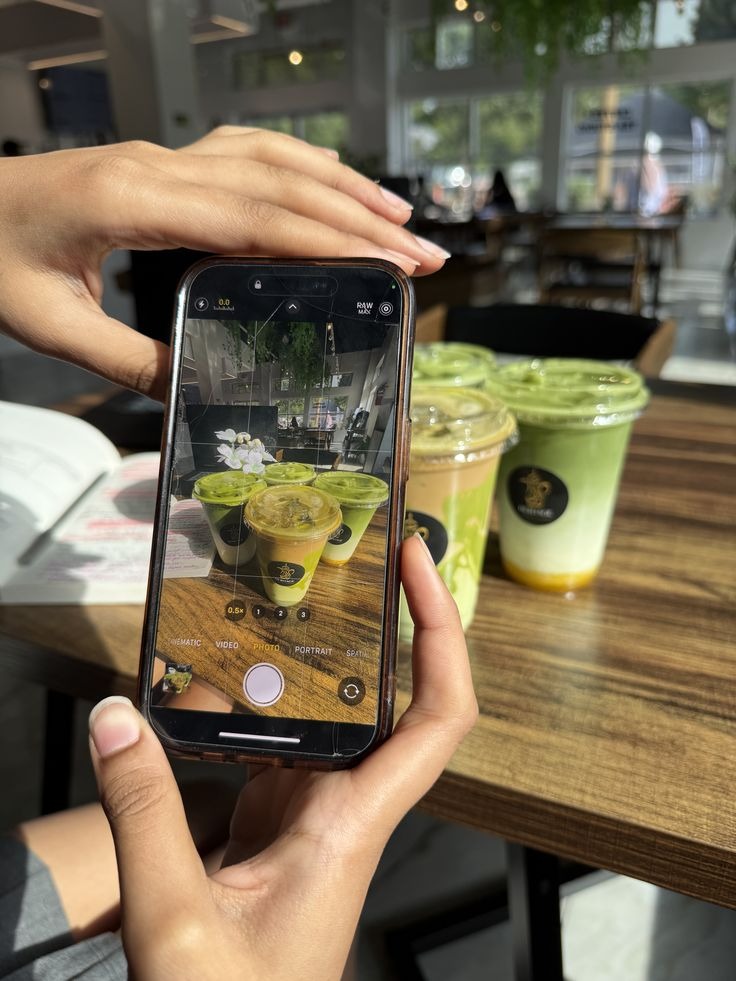
It’s been around four years since matcha experienced a monumental resurgence — although the modern products that gained traction were a far cry from the traditional powder circa the Tang Dynasty. Not only was matcha now made in glass cups (over-iced and over-Americanized) and posted with soft filters and Instagrammable sweater hands, there was a following burst of what can only be described as “made for social media” products — pastries, desserts, drink recipes, all infused with either too much sugar or too much syrup to truly be called “matcha.” I’m not sure whether to blame Gwyneth Paltrow’s endorsement or Blank Street for this, but most of the fault undeniably lies in the recent trend of repackaging Asian staples as a brand new chic commodity.
There are a lot of things to be said for how easy it is for white people to rebrand my childhood as their niche and aesthetic discovery — not only the outrage at losing my culture to someone who would never experience it in all of its messy entirety, or the reduction of a complex history to just a viral food craze, but the sum total of our existence being a passing afterthought to claim in a Pinterest-curated feed. It takes someone’s culture and distorts it into a paler, blander version all in the name of someone’s aesthetic. Matcha has become known as Gen Z’s drink, little more than a meme or a cool graphic on someone’s feed, erasing its history and the part it plays in our culture. It doesn’t end at matcha, although that remains the prevailing example of this uptick in Asian food becoming trends — recently, the shift in cafe drinks have turned towards ube, confirming the doomed predictions of many Asian-American influencers.
Although ube has risen in mainstream popularity alongside matcha, it never quite caught up with the East Asian tea’s grasp on social media. However, as one trend tires out, the coffee giants are quick to replace it: Starbucks’ matcha lattes, for example, are taking a backseat in favor of a new focus on ube cold foam and drinks, likely inspired by the highly popular UbeFest that began in 2022 as a way to celebrate Filipino culture and heritage. It begs the question — can a conglomerate truly be inspired by something that touches upon diversity and community? Neither of those ideals are something too familiar to companies that pick and choose when to be proactive — and often only in the name of performative virtue signalling in order to target their desired audience.
The new fixation with ube is indicative of a deeper issue: the obsession with highlighting the culture of previously marginalized groups without touching on their true history. Many who consume these new lattes or desserts are drawn purely to the picture-perfect aesthetic of the deep purple color, much like they were drawn to the trendy greens of matcha cups, or they simply just enjoy microdosing culture — being ‘exotic’ and performatively aware of food that wasn’t made in a factory. The vibrant hues of both ube and matcha doesn’t only contribute to their feeds but their lives — adding color in every sense of the word. Look at me, look at how diverse my taste is. It glazes over ube’s deep history as a staple food of the Philippines, its contribution to Filipino culture and food — ube is more than a gimmick. There’s a soul to its consumption, in a world where Western consumption often only chews and spits out.
This isn’t to say enjoying ube or matcha products in today’s day and age automatically indicates the consumer has malicious intent — for the majority, it really is just as simple as “I enjoy this flavor.” There’s also nothing wrong with that — at the end of the day, it truly is a joy to get to see Asian flavors take off and become mainstream, a sense of pride at seeing the food we have so carefully cultivated and created becoming well-loved. It’s more than well-deserved, and even better, it brings more attention to Asian-owned small businesses that can continue to thrive. Still, it’s important to recognize that this popularity isn’t purely innocent in origin. The push of influencers claiming to have ‘discovered’ something that’s been around for centuries, the ignorance of a deep and complex world that was often mocked prior to social media trends, and the constant pattern of turning meaningful flavors into another prepackaged product to make money — all of this contributes to the need for education, to recognize the roots. It’s more important than ever to know that passing trends still hold firm in our history — and it’s more harmful than people realize to minimize this aspect of our culture to nothing more than a cool photo.
 Asian Outlook | Art and Literary Magazine